
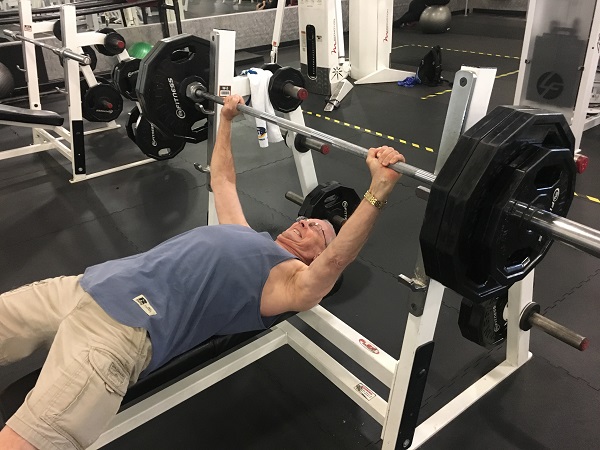
I hype Exercise as a Primary Way to Mental Health, including various forms of Dementia; here is the first mechanism to show why it does so.
Physical exercise triggers the liver to produce the enzyme GPLD1, which enters the bloodstream to strengthen the blood-brain barrier and reduce neuroinflammation associated with Alzheimer’s disease. This “liver-to-brain” mechanism reverses age-related leakage in the brain’s vasculature, lowering amyloid-beta plaque load and promoting cognitive health. Read the full study details at UCSF.
GPLD1 acts as a pair of “molecular scissors” that specifically targets and removes the protein TNAP from the surface of brain blood vessels.
- Targeting: GPLD1 is a phospholipase (specifically a GPI-specific phospholipase D1) released by the liver into the bloodstream during exercise. It travels through the blood to the brain’s vasculature.
- Cleavage: Once it reaches the brain, GPLD1 snips or prunes tissue-nonspecific alkaline phosphatase (TNAP) from the inner surface of the endothelial cells that form the blood-brain barrier (BBB).
- Biochemical Action: Because TNAP is a glycosylphosphatidylinositol (GPI)-anchored protein, GPLD1 can recognize and cleave the anchor that holds it to the cell membrane. This process converts the membrane-bound TNAP into a circulating form in the blood plasma.
- Reducing Accumulation: In aged brains, TNAP levels naturally increase, which leads to the calcification and hardening of vessel walls, making the BBB leaky and prone to inflammation.
- Restoring Integrity: By “trimming away” this excess TNAP, GPLD1 restores the integrity and suppleness of the brain’s blood vessels. This keeps the BBB tight, preventing harmful substances from seeping into the brain and causing the neuroinflammation associated with Alzheimer’s disease.
-
B-Hydroxybutyrate (BHB): This ketone body, produced during fasting or a ketogenic diet, has been shown to critically induce GPLD1 expression in the liver
- Glycerophospholipids (GPL): These are the structural precursors that GPLD1 acts upon. Supplements like phosphatidylserine (PS) and phosphatidylcholine (PC) may support the integrity of the neuronal and vascular membranes that GPLD1 helps maintain.
- Hepatoprotective Compounds: Since GPLD1 is produced in the liver, substances that support liver health—such as silymarin (milk thistle), curcumin, and resveratrol—may indirectly facilitate its production, especially when combined with physical activity.
 B-Hydroxybutyrate (BHB): This ketone body, produced during fasting or a ketogenic diet, has been shown to critically induce GPLD1 expression in the liver
- B-Vitamins (B12, Folate/B9, B6): These vitamins are critical for restoring BBB integrity and lowering homocysteine, a marker associated with vascular brain damage.
- Omega-3 Fatty Acids (DHA/EPA): These healthy fats are fundamental for maintaining the brain cell membrane and reducing the neuroinflammation that occurs when the BBB is compromised.
- Vitamin D: Deficiency in Vitamin D is linked to increased BBB permeability; supplementation may help maintain the barrier’s tight junctions.
- Magnesium-L-Threonate: This specific form of magnesium effectively crosses the BBB and supports the metabolic health of brain vessels.
- Polyphenols (EGCG, Quercetin): Found in green tea and berries, these compounds have immunomodulatory effects on the brain’s microvasculature, similar to the anti-inflammatory results of TNAP pruning.
I don’t just hype exercise as path to better health, I do it religiously and I teach it at a local gym; Strength Training is magic for staying fit into advanced age – now we know more about why!
To Your Greater Health and Fitness,
Frank
Frank Wilhelmi - Retired/consultant electronic engineer researches and reports practical strategies for optimizing health and fitness into advanced age. “I have a passion for living life to the fullest, and helping others to do the same.” A rapidly growing body of knowledge now enables us to extend our health and fitness decades beyond popular expectations.