
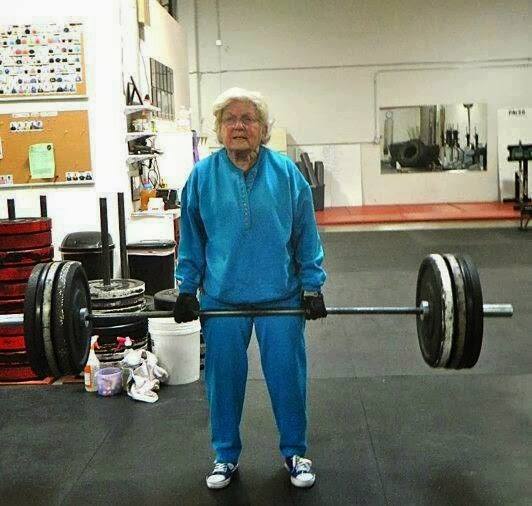
Strength training is a foundational tool in promoting the health and quality of life for postmenopausal women. The menopause transition, while natural, brings a decline in reproductive hormones such as estradiol and testosterone—changes that are closely tied to increased risks of osteoporosis, sarcopenia (age-related muscle loss), mood disruptions, and loss of functional independence. Recent research underscores the positive interplay between strength training, hormonal optimization, and plant-based supplements like fenugreek extract in supporting this demographic. This essay explores the unique benefits for postmenopausal women of coupling resistance exercise with fenugreek supplementation to elevate estradiol and testosterone, synthesizing current scientific insights into a holistic strategy for well-being.
Hormonal Changes in Menopause and Their Challenges
At menopause, marked declines in estradiol and testosterone contribute to rapid bone loss, decreased muscle mass, impaired metabolism, and worsened mood and cognition. These hormones do not function in isolation: estradiol directly supports bone and cardiovascular health, while testosterone exerts potent anabolic effects on both bone and muscle tissue by binding androgen receptors on osteoblasts and muscle fibers. As levels dwindle, postmenopausal women become increasingly prone to fractures, chronic pain, and diminished physical function.
The Role of Strength Training
Resistance exercise is renowned for its capacity to counteract the physical degeneration of menopause. Strength training directly stimulates musculoskeletal adaptation, increasing bone mineral density (BMD) and preserving or growing lean muscle mass. These benefits are not just theoretical; clinical studies demonstrate that regular weight-bearing exercise reduces the incidence of falls and fractures, maintains mobility, and fosters greater psychological well-being in postmenopausal women. However, progress from training can be limited by the hormonal milieu: lower endogenous estradiol and testosterone blunt the body’s adaptive ability to recover, regenerate tissue, and remodel bone.
Fenugreek Extract: An Herbal Approach to Hormonal Optimization
Within traditional medicine and now in modern trials, fenugreek (Trigonella foenum-graecum) emerges as an effective botanical ally for postmenopausal women. Fenugreek is a rich source of bioactive saponins (notably protodioscin) and phytoestrogens, which exhibit both estrogenic and androgenic activity. Clinical research has now confirmed that standardized fenugreek extract, when used at doses of 500–1000 mg per day for 6–12 weeks, raises both estradiol and testosterone levels within physiological ranges in postmenopausal women—producing average increases of 20–24% in total and free testosterone and meaningful rises in estradiol.
Importantly, these changes do not push hormones into abnormal ranges or produce significant side effects, and the safety record in both traditional and clinical contexts is excellent. Fenugreek’s dual capacity to gently support both key sex hormones situates it as an attractive adjunct to broader lifestyle interventions.
Synergistic Benefits: Strength Training Plus Fenugreek
Combining resistance training with fenugreek supplementation offers a synergistic benefit. The rise in estradiol and testosterone boosts the anabolic environment necessary for optimal muscle and bone adaptation. Women following this approach experience:
-
Greater increases in bone mineral density, given both the direct stimulation by testosterone and its conversion to estradiol, amplifying the effects of weight training.
-
Enhanced muscle synthesis and improved strength gains, as androgens activate satellite cells and drive hypertrophic responses to resistance exercise.
-
Better recovery and reduced injury risk thanks to the improved hormonal environment and the anti-inflammatory properties of fenugreek.
-
Additional improvements in mood, libido, and metabolic function, which are linked to normalized sex hormone levels and further reinforce exercise adherence.
Practical Considerations and Safety
Clinical trials recommend using standardized fenugreek extract at daily doses of 500 mg (divided into two doses) to 1000 mg, alongside a resistance exercise program, for at least 6–12 weeks to realize meaningful hormonal and functional gains. While fenugreek is considered safe for most women and rarely produces adverse effects, women with a history of hormone-sensitive cancers or specific medical conditions should consult a healthcare provider first.
Conclusion
For postmenopausal women, the intersection of strength training and herbal supplementation with fenugreek extract represents an evidence-based, integrative approach to wellness. By elevating estradiol and testosterone safely, fenugreek not only maximizes the physical benefits of training—stronger bones, greater muscle mass, enhanced function—but also bolsters mood, libido, and overall quality of life. This dual strategy leverages both ancient botanical wisdom and contemporary science, empowering women to thrive through menopause and beyond.
Frank Wilhelmi - Retired/consultant electronic engineer researches and reports practical strategies for optimizing health and fitness into advanced age. “I have a passion for living life to the fullest, and helping others to do the same.” A rapidly growing body of knowledge now enables us to extend our health and fitness decades beyond popular expectations.