
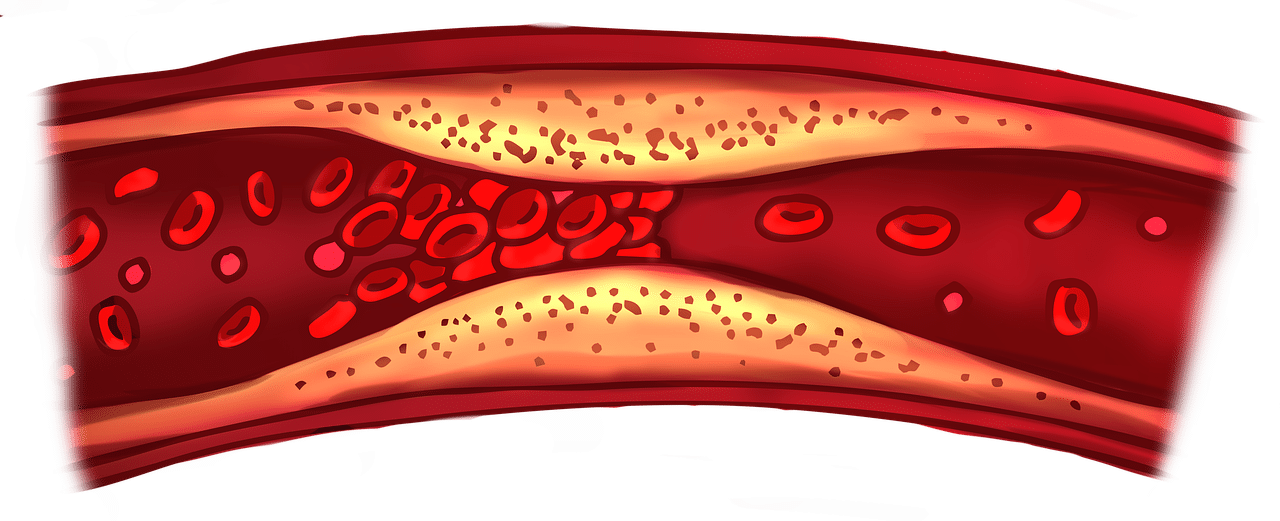
A Double-Barreled Strategy for avoiding Stroke and Heart attacks: The Potential Combined Impact of PCSK9 Inhibition and Senolytic Therapy
I find myself in a unique medical situation; my Cardiologist insisted I get on Repatha, a PCSK9 inhibitor drug to lower cholesterol, while I’m continuing the use of senolytic therapy with Senolytic Activator from Life Extension. No studies to date show this works in humans, but I’m self-experimenting. In 3 months, Repatha lowered my LDL cholesterol from about 100 to 35 – stunning!
The combination of PCSK9 inhibitors, such as Repatha, and senolytic agents, like Dasatinib, Quercetin, or in my case, Senolytic Activator, represents a dual-track strategy for cardiovascular longevity. This approach simultaneously addresses the circulating cholesterol carriers that cause plaque buildup in our blood vessels and the cellular “decay” of the arterial wall itself. By pairing these therapies, it is possible to target the two primary drivers of arterial disease: the “seed” (plaque-building or atherogenic particles) and the “soil” (the aging endothelium – the one-cell-thick inner lining of our blood vessles).
The Role of PCSK9 Inhibition: Neutralizing the Insult
PCSK9 inhibitors provide a mechanical and biochemical defense against the buildup of arterial plaque. Their primary benefit lies in their profound reduction of low-density lipoprotein (LDL) and Apolipoprotein B (ApoB) particles. By maximizing the availability of LDL receptors, these medications aggressively remove atherogenic particles from the bloodstream before they become trapped within the arterial wall.
Beyond simply lowering numbers, clinical imaging trials have confirmed that PCSK9 inhibitors physically shrink total plaque volume and increase the thickness of the fibrous cap that forms over it. This structural stabilization converts “vulnerable” lipid-rich plaques into stable structures, significantly lowering the risk of rupture and acute cardiac or stroke events.
The Role of Senolytics: Repairing the Vessel Wall
While PCSK9 inhibitors manage the circulating particles, senolytics target the underlying cellular dysfunction of the endothelium. As endothelial cells age, they enter a “senescent” state where they cease to divide but remain metabolically active, secreting a toxic cocktail of inflammatory signals known as the Senescence-Associated Secretory Phenotype (SASP).
Senolytic therapy clears these “zombie” cells, which accomplishes three critical goals. First, it restores the endothelial barrier; senescent cells are “leaky,” allowing even low levels of cholesterol to penetrate the arterial wall. Second, it shuts down the SASP, halting the local inflammation that recruits immune cells to form dangerous plaques. Third, it rescues mitochondrial function. By removing cells with dysfunctional mitochondria, the overall bioenergetic health of the vessel is restored, leading to increased Nitric Oxide bioavailability and a reduction in arterial stiffness.
The Power of Combined Therapy: A Synergistic Approach
When used together, these two therapies create a powerful physiological synergy. Repatha lowers the number of plaque-forming particles (the “insult”), while senolytics repair the endothelial shield. This ensures that fewer particles are present to cause damage, and the arterial wall is better equipped to resist those that remain.
This combination also supports the body’s natural regenerative niche. By lowering systemic lipid-driven inflammation through PCSK9 inhibition and clearing local cellular “zombies” through senolytics, an optimal environment is created for endothelial progenitor cells to move to the vessel wall and replace old tissue with youthful, functional cells.
A reasonably effective natural PCSK9 inhibitor is the readily available supplement Berberine, especially in liposomal form, of which about 95% is absorbed into our circulation. I used that for several years before Repatha and it pulled my HDL down from 130-140 to 100 reliably and is about 1/8th the cost of Repatha.
Ultimately, this dual approach moves beyond symptom management toward true vascular rejuvenation, targeting the causative factors of arterial disease from both a metabolic and a cellular perspective.
That’s the potential, the theory; if I’m still writing these articles 10 years from now, it may be proof that it works.
To Your Greater Health and Fitness –
Frank
Frank Wilhelmi - Retired/consultant electronic engineer researches and reports practical strategies for optimizing health and fitness into advanced age. “I have a passion for living life to the fullest, and helping others to do the same.” A rapidly growing body of knowledge now enables us to extend our health and fitness decades beyond popular expectations.